The Legal Framework: Community Ordinances and Local Codes
In Mississippi, a tenant’s primary defense against environmental hazards is not found in a single, overarching statute, but in the strategic application of local community ordinances and building codes. As outlined by the Mississippi Emergency Management Agency (MEMA), most communities have enacted specific regulations to protect residents from activities that cause drainage problems or structural failures. For a renter, these local codes establish the "habitable" baseline. They serve as the regulatory floor that landlords must maintain to prevent the systemic soaking and "breeding grounds" for mold and bacteria described in the MEMA Citizen’s Guide.The landlord’s duty to maintain a building's structural integrity—including the plumbing, roofing, and ventilation—is a mandatory requirement of these local codes. When deferred maintenance allows moisture to linger, it creates an environment where mold and mildew thrive. Under Mississippi regulatory standards, specific conditions are categorized as Material Affects on Health and Safety :
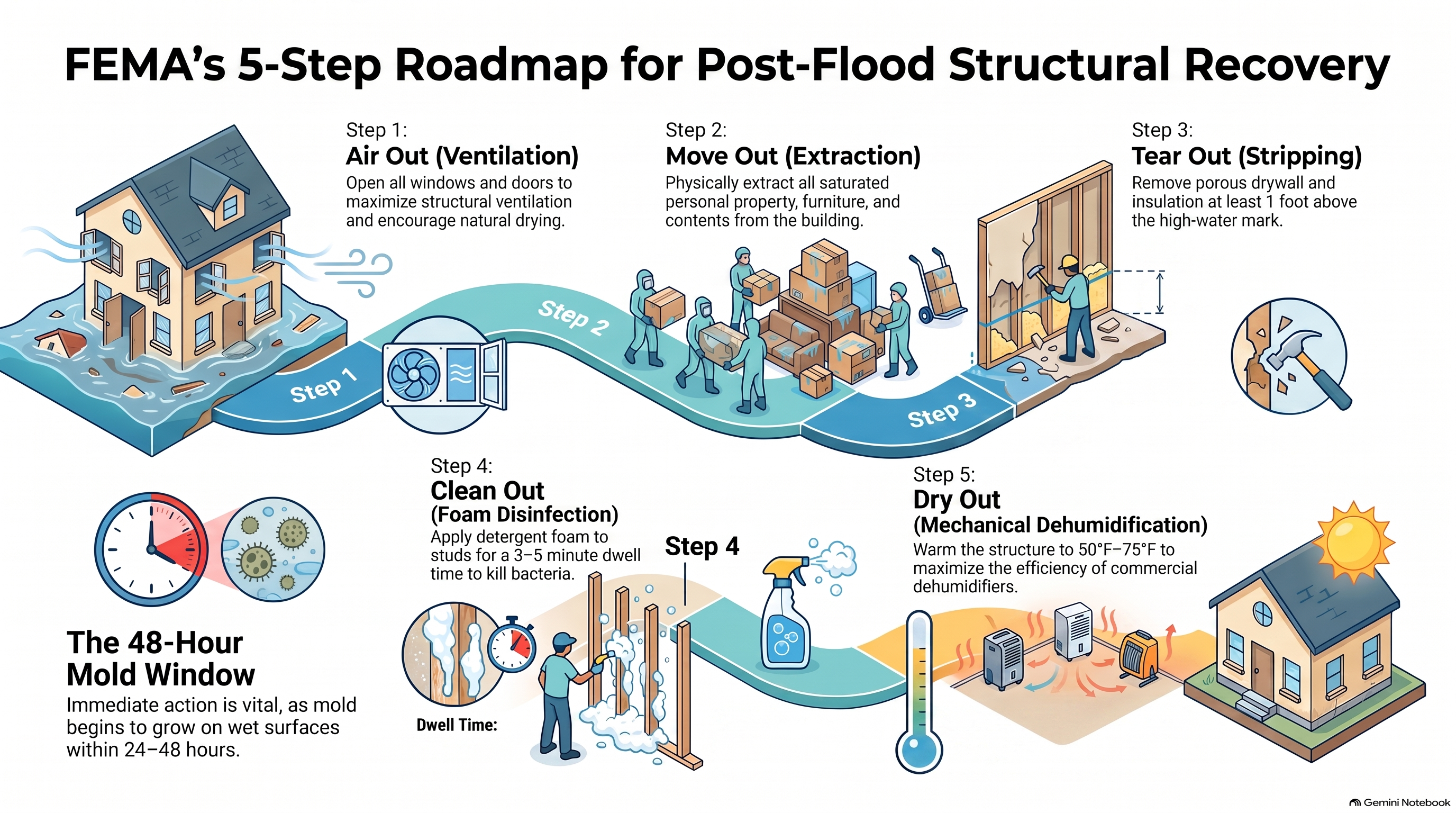
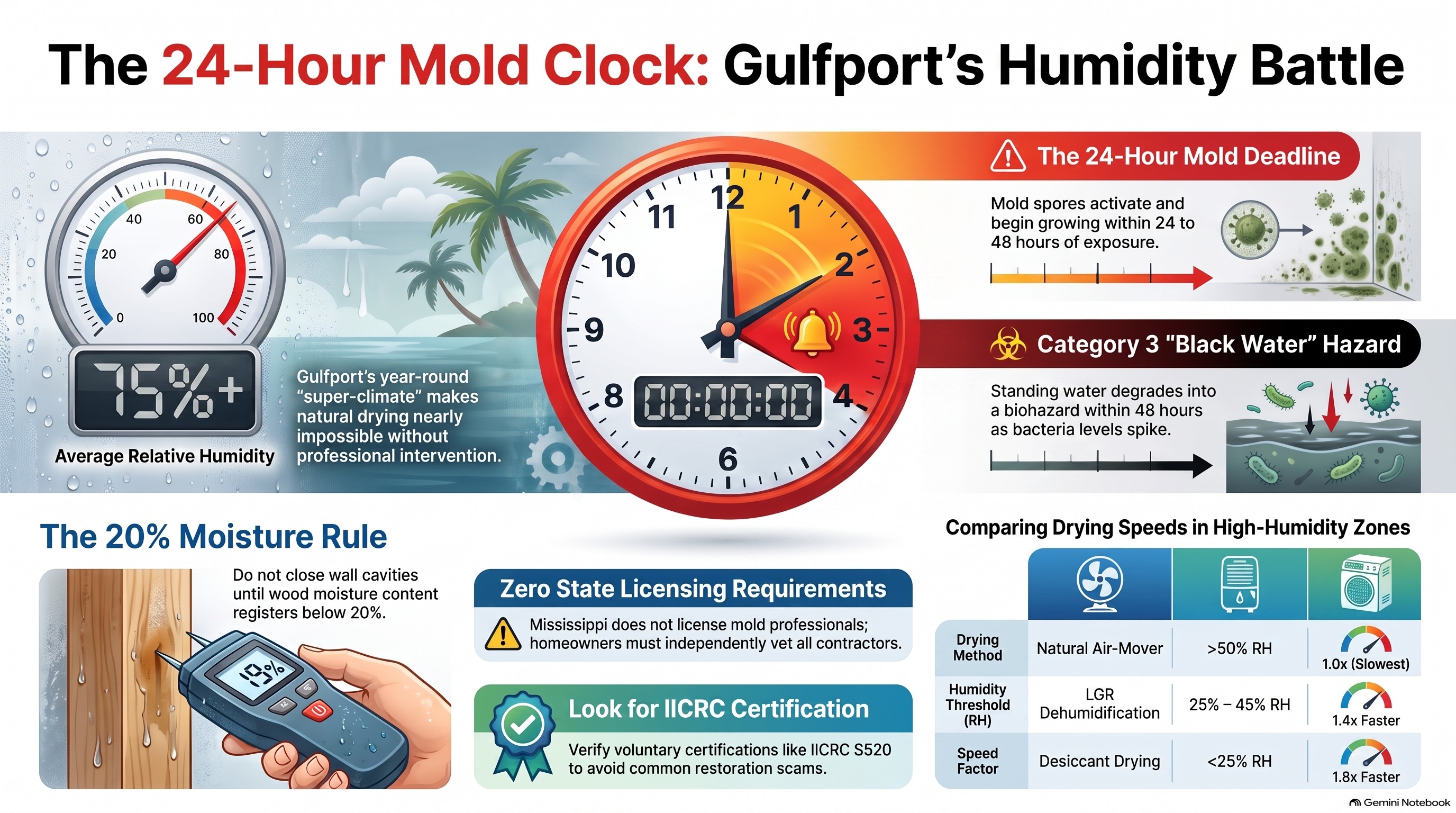
- Saturated Building Materials : Porous components like gypsum wallboard (drywall) and wood that absorb pollutants and lose structural integrity (cracking, warping, or crumbling).
- Compromised Electrical Systems : Moisture-exposed components that create secondary hazards, including fires and the risk of electrocution from live currents in standing water.
- Contaminated HVAC Ducts : Sediments and mold spores trapped in forced-air systems. When the furnace or air conditioner is engaged, these pathogens are circulated and breathed in by occupants.
- Pathogenic Intrusion : Presence of raw sewage from overloaded lines, which serves as a breeding ground for e-coli, hepatitis, and other disease-causing agents.While local ordinances provide the legal theory for liability, a successful outcome requires the tenant to execute a forensic documentation strategy to prove the landlord’s failure to act.
Documenting the Hazard: A Forensic Approach for Renters
Before attempting to record the damage, a tenant must prioritize immediate building "first aid." Strategic documentation is useless if the site is physically dangerous. Based on MEMA safety protocols, renters must perform a Safety-First Inspection before beginning scene capture:
Check for Gas Leaks : Be alert for a putrid, rotten egg smell. If detected, or if you suspect pipes have moved, evacuate immediately and call the gas company.
Verify Electrical Safety : Stay away from downed power lines and do not enter areas where standing water may carry a live current. Turn off the main breaker only if you can do so while standing on a dry surface.Once the scene is safe, the tenant must adopt a "scene capture" mindset. Calibrated records are the only defensible way to prove that a landlord's deferred maintenance—rather than tenant behavior—caused the intrusion. Following National Water Damage Authority concepts, tenants should use a moisture mapping approach to establish a baseline of the damage.
Documentation Protocol
Category,Specific Items to Record,Evidence Type
Visual Evidence,"Waterlines on walls, warped wood, and sagging or crumbling drywall.",High-resolution photography/video.
Structural Failures,"Identified leaks in plumbing fixtures, visible roof gaps, or blocked drainage.",Close-up shots of the intrusion source.
Environmental Data,"Identification of ""spongy,"" ""soaked,"" or ""damp"" materials (Moisture Mapping).",Log of material feel and location.
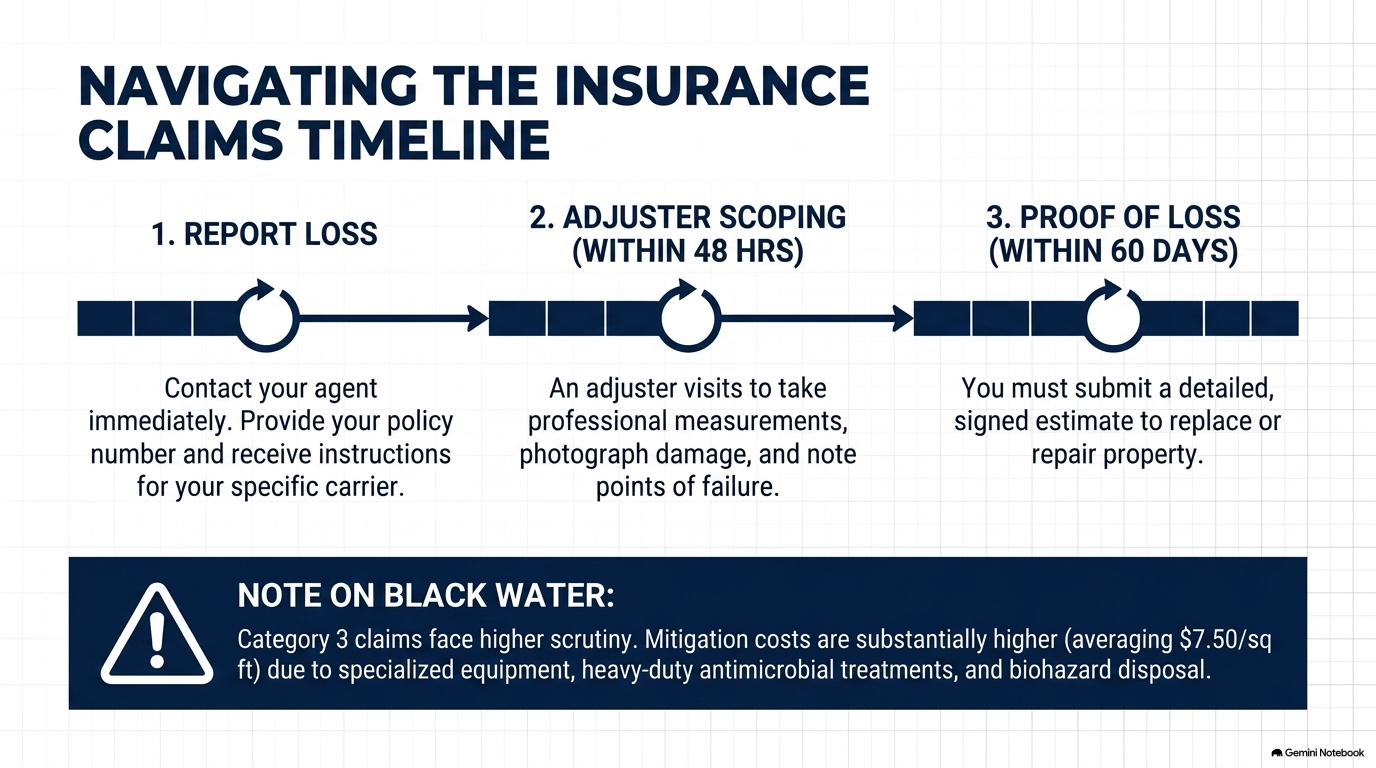
The "Initial Scene Capture" must occur before any cleaning begins. It is vital that all records have date and time stamps embedded in the metadata to meet insurance and regulatory thresholds for claim adjudication. This proves the duration of the leak and the timeline of the landlord's response. While documentation establishes the facts, strict procedural compliance is required to force a legal solution.
The Renter’s Action Plan: Procedural Compliance and Risk Mitigation
In Mississippi, there is a high-stakes balance between demanding repairs and maintaining legal standing. The "So What?" factor is critical: even if the mold is severe, failure to follow exact procedural steps can lead to immediate eviction. Renters must maintain "clean hands" in the eyes of the court.
Official Notice Checklist
Draft Written Notice : Explicitly cite specific maintenance failures (e.g., a specific plumbing leak or roof failure) and the resulting health hazards.
Secure Proof of Delivery : Use a method that establishes a legal receipt and a definitive timeline for the landlord’s response window.
Mandatory Compliance : Do not withhold rent. Mississippi housing law is highly competitive; keeping rent current is the only way to seek a remedy without facing immediate eviction for non-payment.To further bolster a claim, tenants should maintain a Daily Drying Log to track the landlord’s "due diligence." Record the arrival times of all maintenance staff, the specific equipment they used (such as dehumidifiers or fans), and whether their actions actually reduced the moisture (e.g., noting if "spongy" materials remained wet). This log serves as a forensic record of whether the landlord met the technical standards of professional restoration.